
Kyushu University Pioneers Cost‑Effective Low‑Temperature Fuel Cells for Greener Energy
Kyushu University researchers have taken a significant step towards sustainable energy by developing a solid‐oxide fuel cell (SOFC) that operates efficiently at just 300°C. If you’ve ever been frustrated by the high temperatures required in traditional fuel cells—often running at 700‑800°C—this breakthrough could be a breath of fresh air. By rethinking the design of the […]

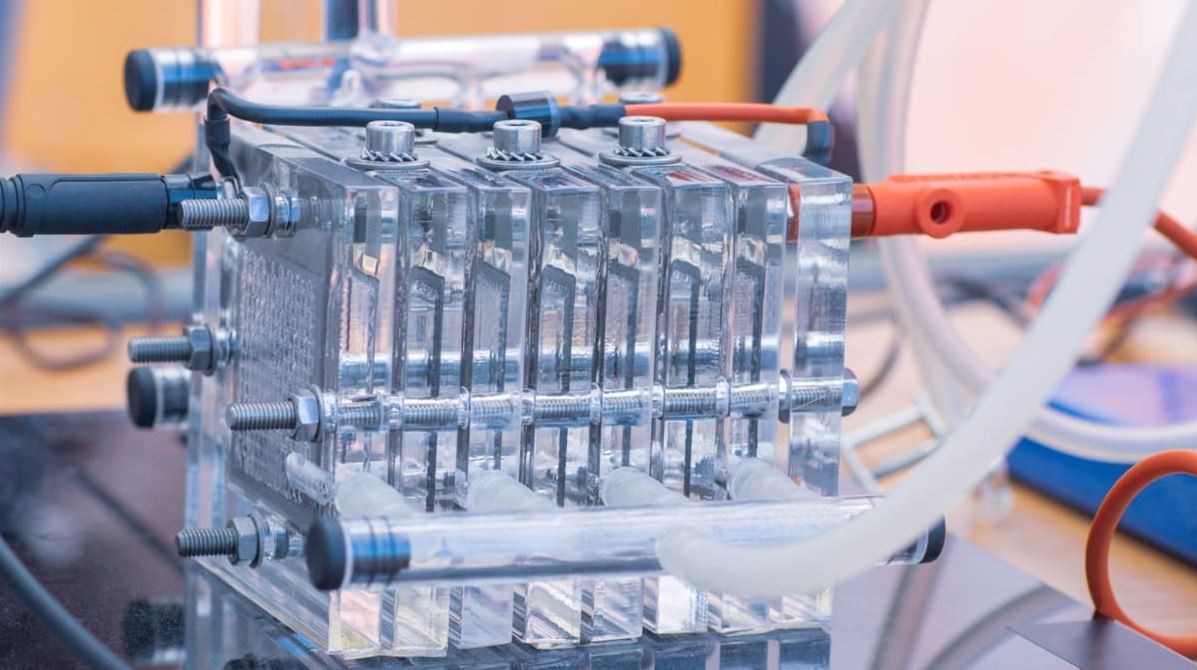
Kyushu University researchers have taken a significant step towards sustainable energy by developing a solid‐oxide fuel cell (SOFC) that operates efficiently at just 300°C. If you’ve ever been frustrated by the high temperatures required in traditional fuel cells—often running at 700‑800°C—this breakthrough could be a breath of fresh air. By rethinking the design of the ceramic electrolyte that transports charged particles between electrodes, they’ve managed to reduce both cost and complexity.
The secret lies in tweaking the materials. The team experimented with oxide crystals like barium stannate (BaSnO₃) and barium titanate (BaTiO₃), using scandium dopants to boost proton conductivity. This means more mobile protons can move through the electrolyte, achieving performance levels of over 0.01 S/cm at 300°C—comparable to what’s seen at much higher temperatures. Professor Yoshihiro Yamazaki, who leads the research, notes, “Lowering the operating temperature not only cuts material costs, it could also open up fuel cell technology for everyday use.”
This development could have far‑reaching implications. Beyond powering next‑generation fuel cells, these innovations might transform applications like low‑temperature electrolysers and CO₂ conversion reactors, ultimately making clean energy more affordable. If you’re looking for practical solutions to reduce our reliance on fossil fuels, this breakthrough offers tangible hope.

ABOUT THE AUTHOR