Duolingo’s AI-first pivot: What it means for workers
Duolingo recently announced a shift to an ‘AI-first’ strategy, signalling that it will replace many of its contractor roles with artificial intelligence. Journalist Brian Merchant points out that this isn’t the company’s first dance with AI-fuelled cuts—Duolingo trimmed its contractor crew by roughly 10% at the end of 2023, and then did it again in […]

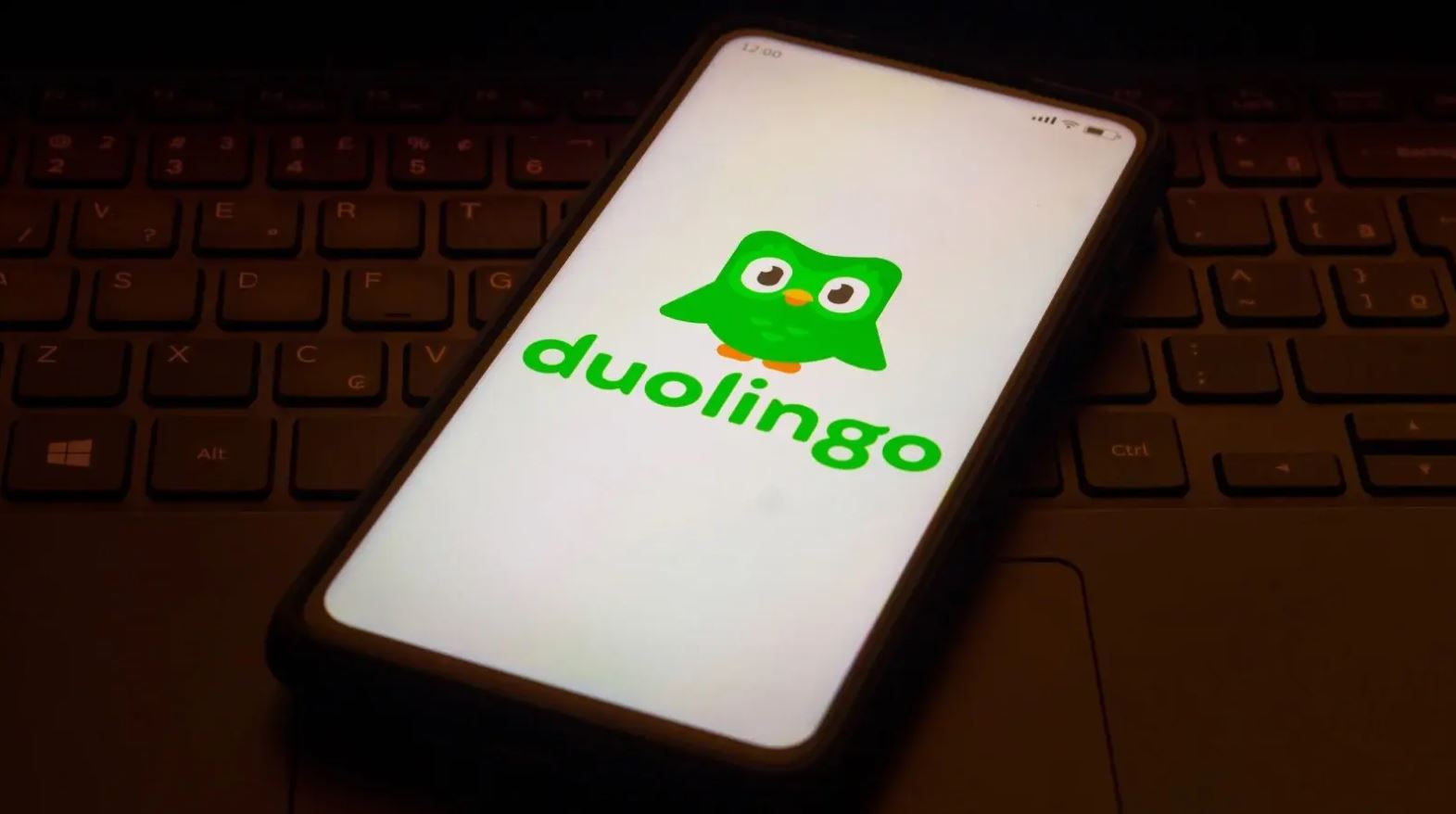
Duolingo recently announced a shift to an ‘AI-first’ strategy, signalling that it will replace many of its contractor roles with artificial intelligence. Journalist Brian Merchant points out that this isn’t the company’s first dance with AI-fuelled cuts—Duolingo trimmed its contractor crew by roughly 10% at the end of 2023, and then did it again in October 2024, impacting translators and writers alike.
Merchant also highlights a wider trend: increasing unemployment among recent graduates. Companies may be swapping entry-level roles for automated solutions or redirecting funds from hiring to AI development. This isn’t a sci‑fi twist where machines take over in a flash, but rather a series of strategic choices to cut labour costs and streamline organisational control.
If you’re keeping a close eye on industry shifts, these changes at Duolingo—and moves like DOGE’s significant workforce reductions under the guise of an ‘AI-first’ approach—offer a real-world example of how tech companies are reshaping the job market. It’s a clear signal to workers and industry watchers alike that the future workplace might look very different.

ABOUT THE AUTHOR